

Data doesn't belong in a silo — it belongs in every decision
Whenever someone shows me their organisation's strategic plan, there's something I always find myself scanning for. It's not that I'm hunting for flaws. It's that after reading so many of these documents over the years, the same pattern keeps turning up. Somewhere on the page sits a priority worded something like 'Improve our use of data', 'Build data capability' or 'Become more data-informed'.
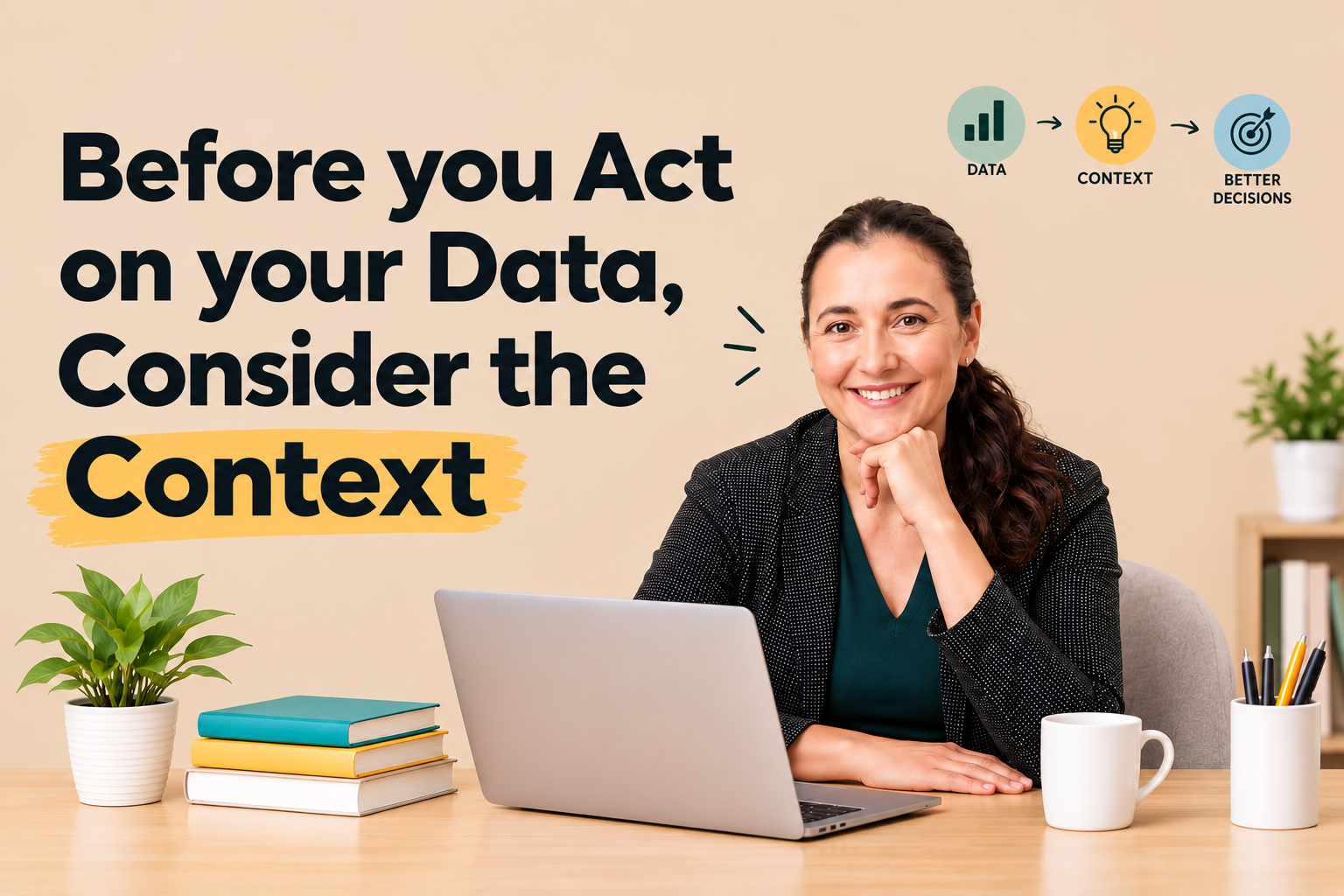
Before you act on your data, consider the context
A number can tell you what happened. It takes context to understand why it happened and that difference matters more than most of us realise.
Think about the kind of data most workplaces rely on every day: staff turnover, engagement levels, productivity, customer satisfaction, complaints, sales figures and progress tracked over time. None of these numbers exist in isolation.
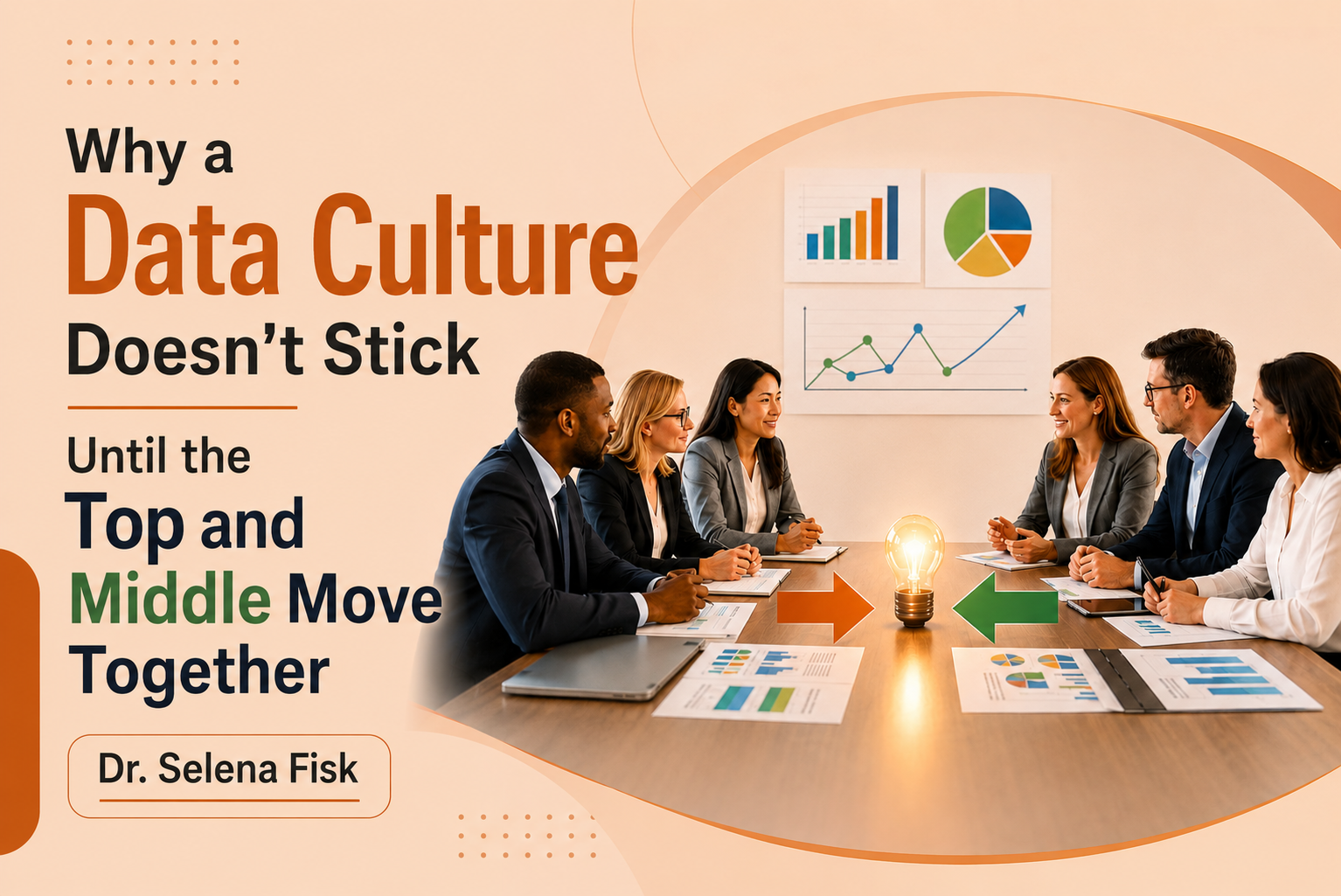
Why a data culture doesn't stick until the top and middle move together
If you've ever tried to build a data culture from the middle of an organisation, you'll know the feeling. You can see the work happening. Some people are trying hard, some are doing it really, really well… and yet you know, you can feel it, that even though habits have shifted, none of it is properly built into the culture yet.
No data is still data: what missing information can tell you
I'm currently watching the Netflix documentary series The Idaho Murders: College Nightmare. Alongside the tragedy and disturbing detail of the case, I've found myself thinking about the role data played in the investigation.
Data doesn't belong in a silo — it belongs in every decision
Whenever someone shows me their organisation's strategic plan, there's something I always find myself scanning for. It's not that I'm hunting for flaws. It's that after reading so many of these documents over the years, the same pattern keeps turning up.
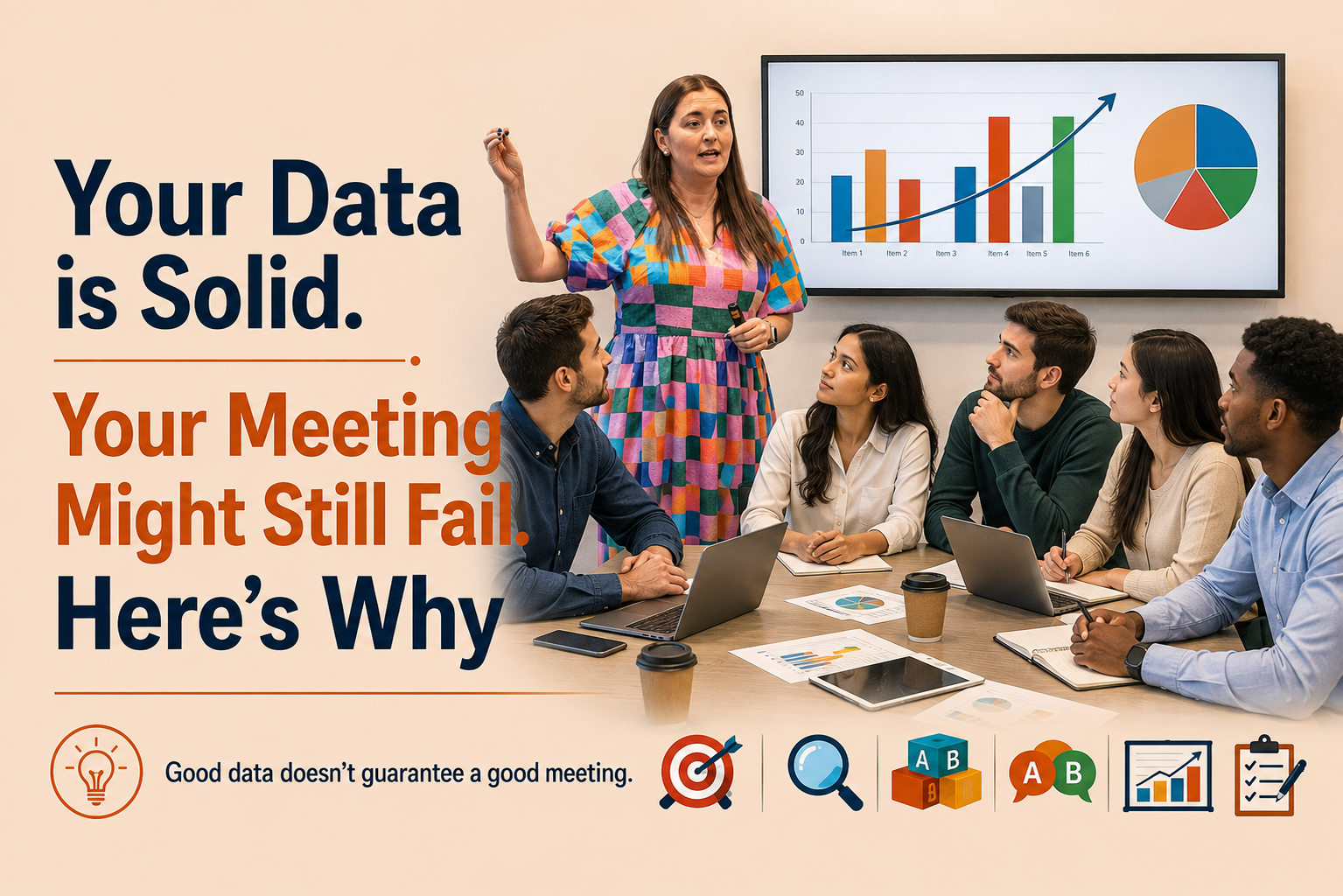
Your data is solid. Your meeting might still fail. Here's why
Most advice on data storytelling assumes the hard part is the analysis, picking the right data, choosing the best visuals or weaving it all together well. Those things are genuinely tricky, and they're skills worth building. But there's a bigger problem that rarely gets talked about:
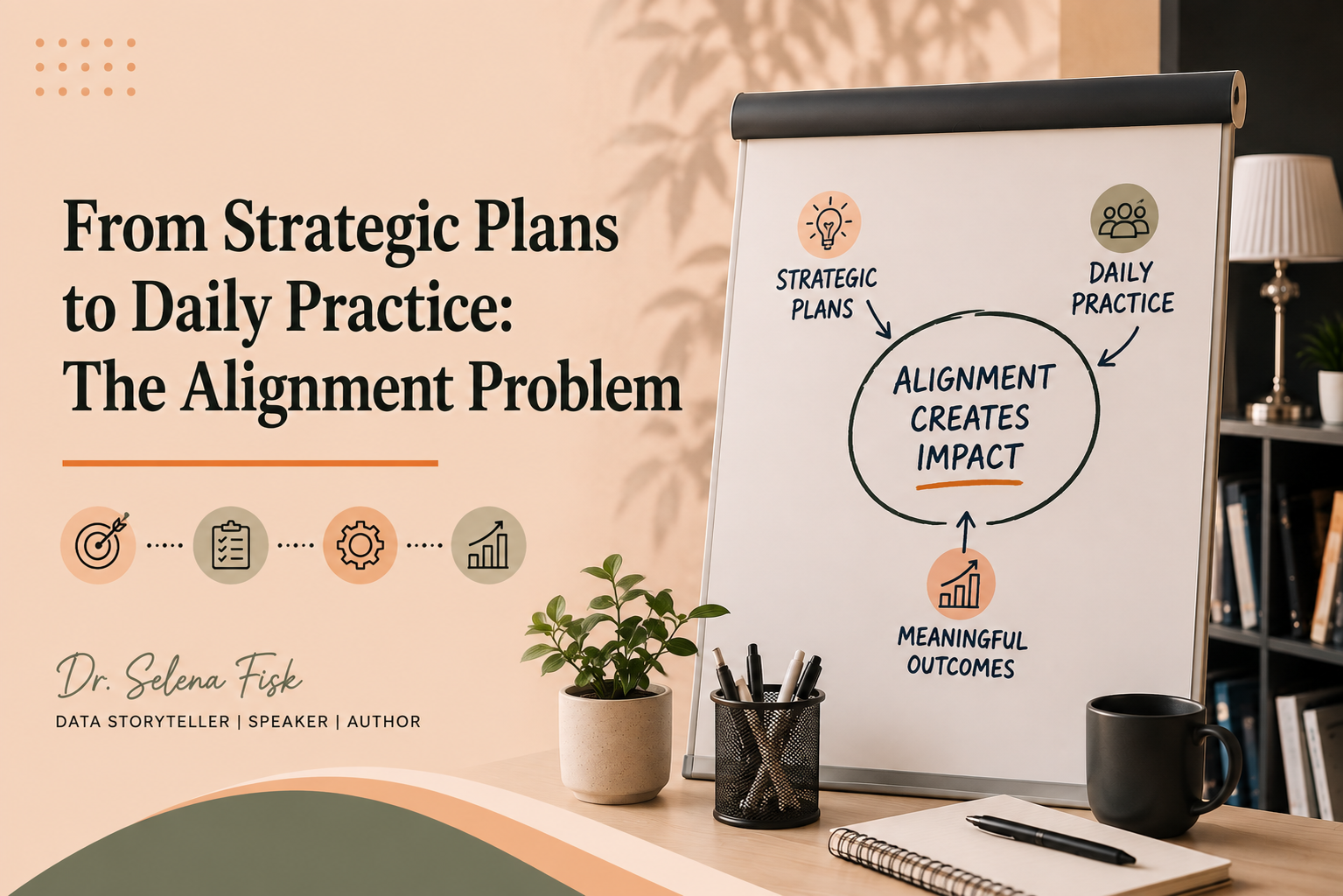
Why strategic plans fail: the real gap between strategy and daily practice
Most organisations have a strategic plan that looks great on paper. The direction is clear, the KPIs are listed, targets are documented, and someone's name sits next to every goal. There's even a reporting rhythm to keep it all on track.
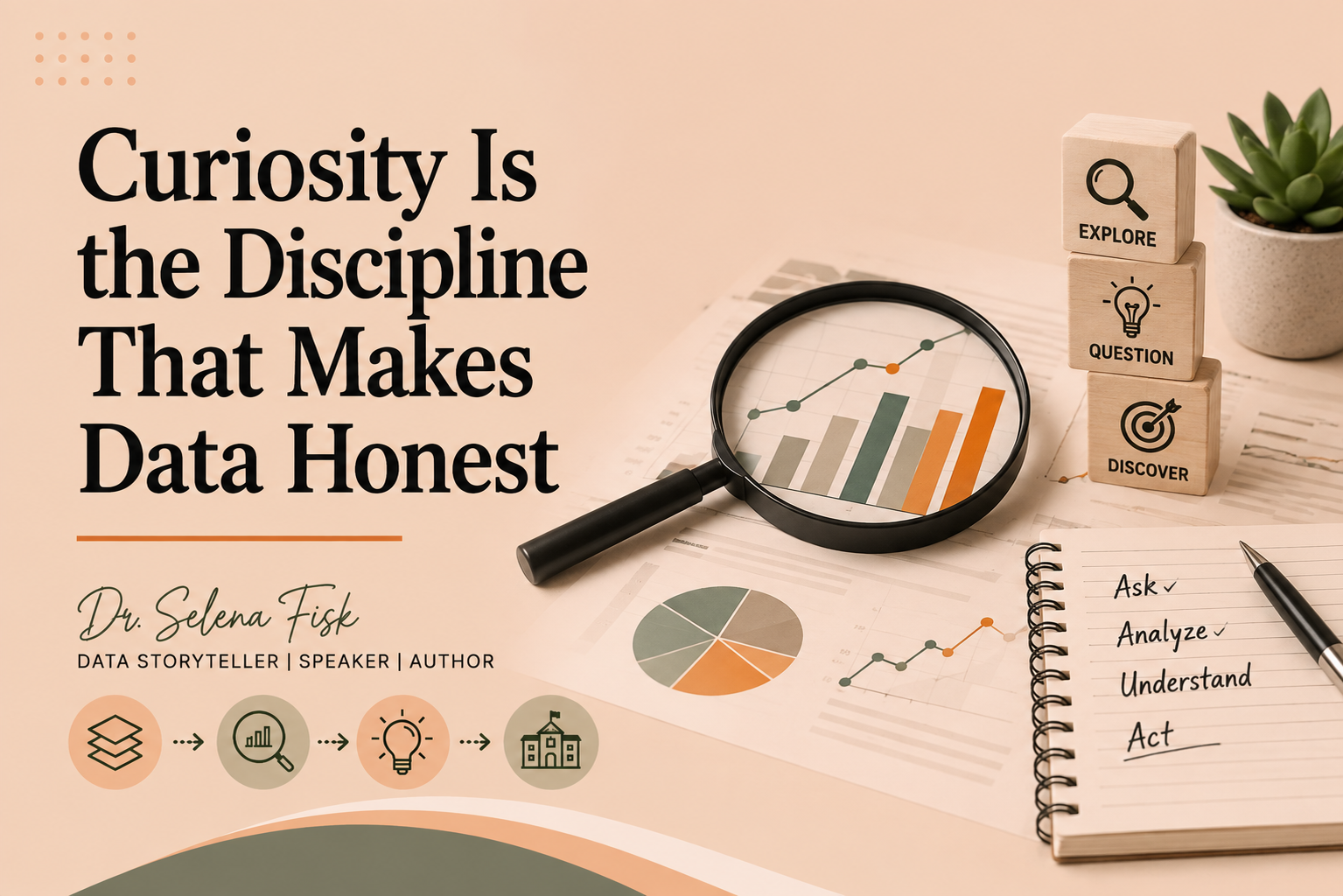
Why data doesn't create learning. Curiosity does
There's a strange thing that happens in a lot of workplaces. The dashboard is built. The report goes out. The meeting agenda even has a line item that says - discuss the findings and yet, somehow, almost nothing is actually learned.

Mapping your school on your data journey
Selena is a researcher, educator and speaker with a strong focus on data storytelling. She is deeply passionate about helping others develop their data storytelling capabilities while continually expanding her own knowledge of how data can be used to help…
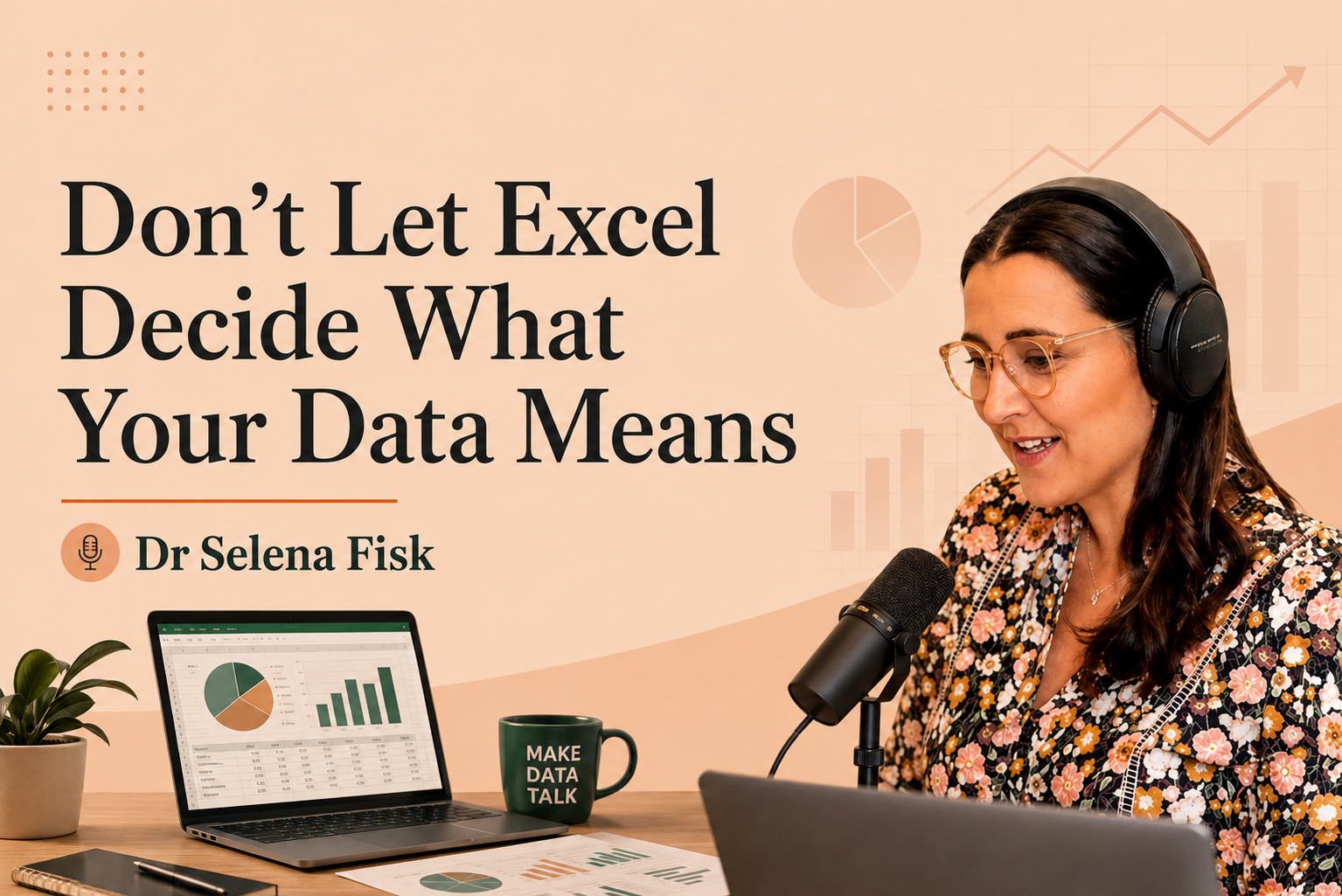
Don't Let Excel Decide What Your Data Means
You drop your data in, hit "Insert Chart," and barely pause before accepting whatever pops up first. A clustered column chart fills the screen tidy, conventional and professional-looking enough to pass. And just like that*, the single most critical decision in your entire data process (how your information gets interpreted) has been silently surrendered to a software default.
Being a learning organisation means more than good intentions
Most organisations say they value learning. They put it in their values. They mention it in all-hands meetings. They nod enthusiastically when someone brings up growth mindset and psychological safety.
A disappointing outcome doesn’t necessarily mean you made a bad decision
One of the most deeply unhelpful habits in professional and personal life is judging the quality of a decision purely by the outcome it produced. Annie Duke in her groundbreaking book Thinking in Bets calls this "resulting" the dangerous tendency to evaluate a decision based on how things turned out rather than by the quality of the thinking that produced it in the first place.
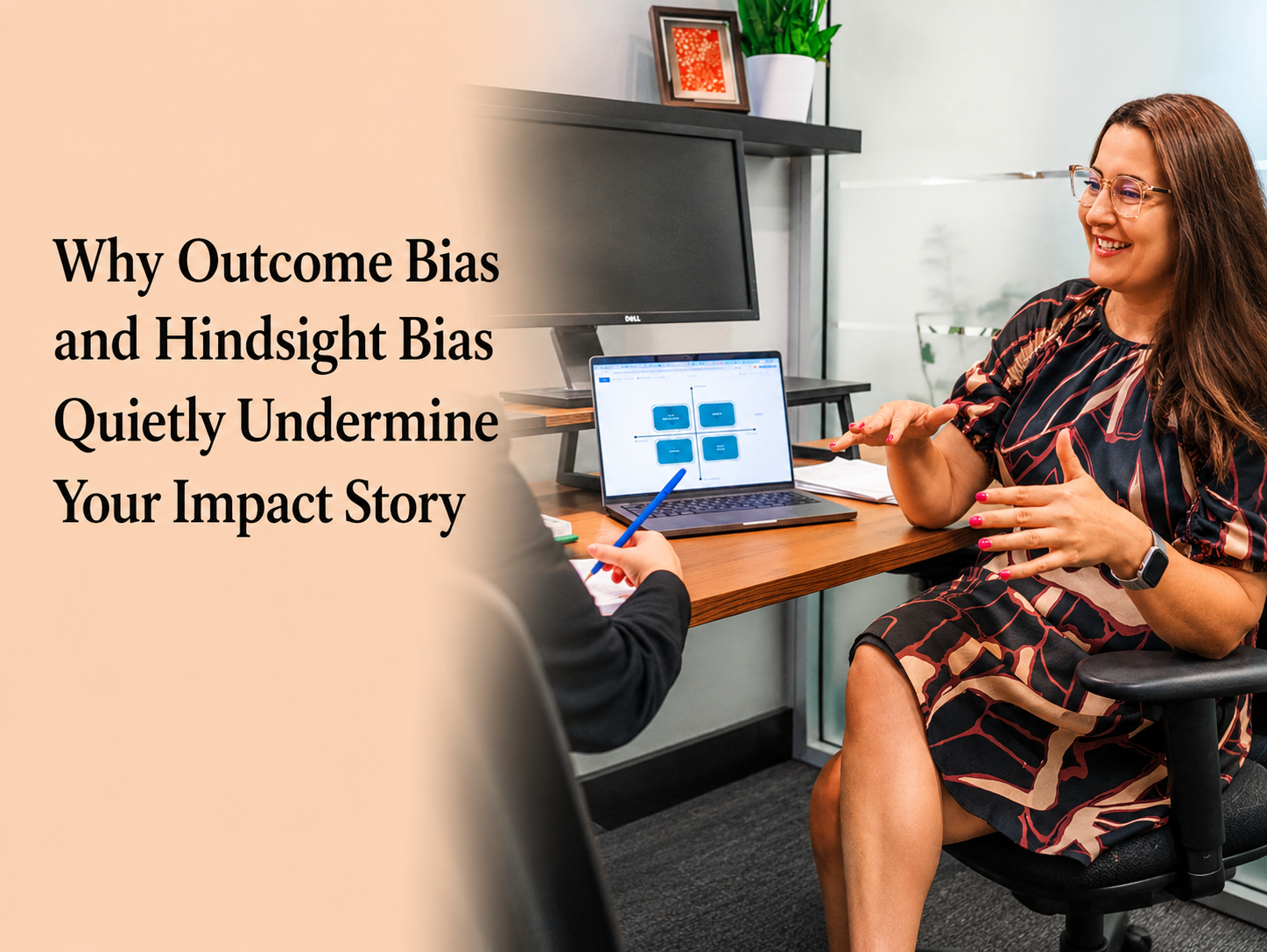
Why Outcome Bias and Hindsight Bias Quietly Undermine Your Impact Story
One of the most common mistakes I see people make during change projects is assuming they will remember the starting point clearly enough to judge their progress later. But here's an absolutely blunt reality check for you this week… Your memory isn't that good!
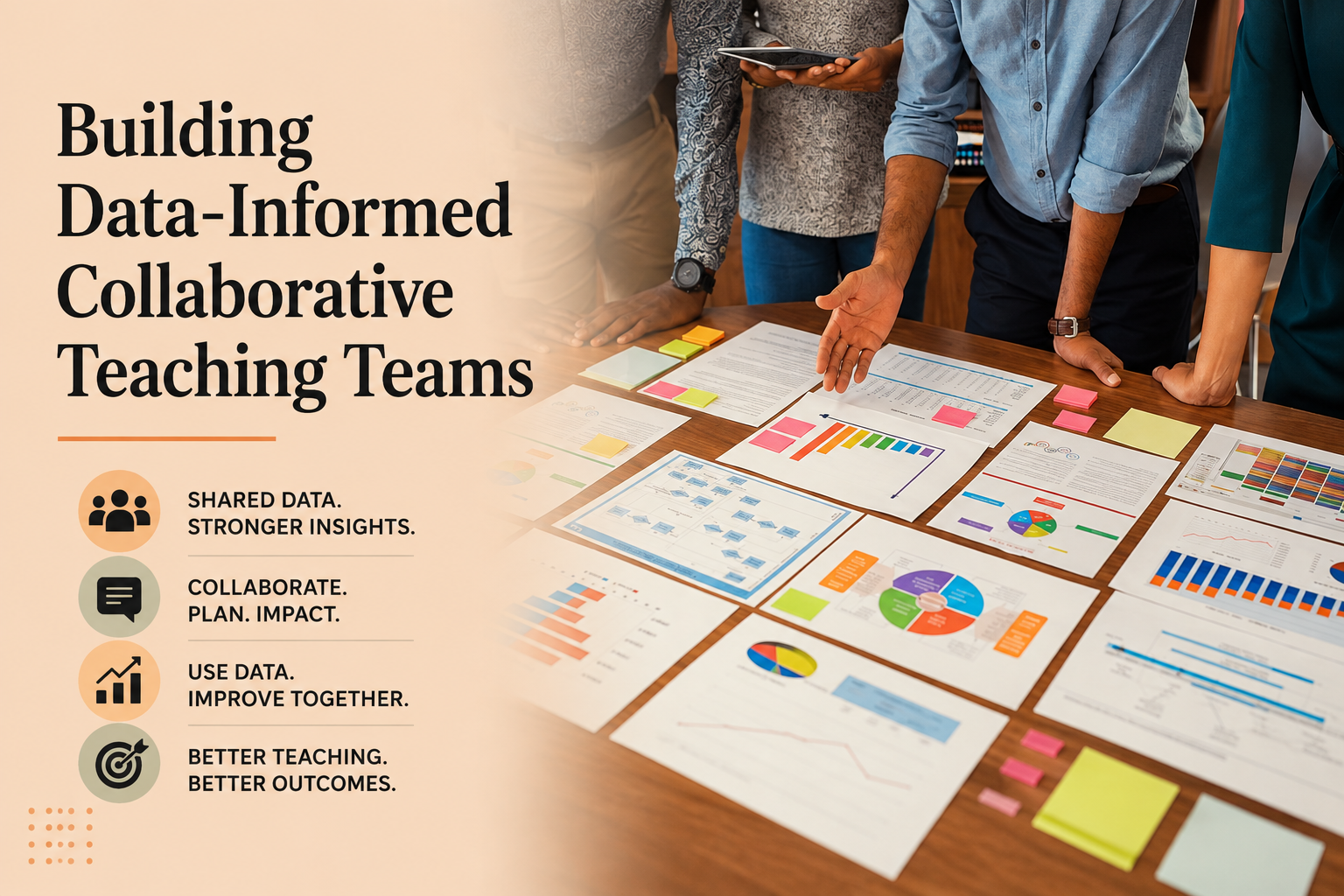
Building Data-Informed Collaborative Teaching Teams
Australian teachers are encouraged to work collaboratively in teams through regular cycles of planning, implementation and reflection in order to have a positive impact on student learning (AITSL, n. d., 2011). When teachers collaborate and reflect on the impact they have in their classrooms, consider the progress that their students have made, identify trends in student results,
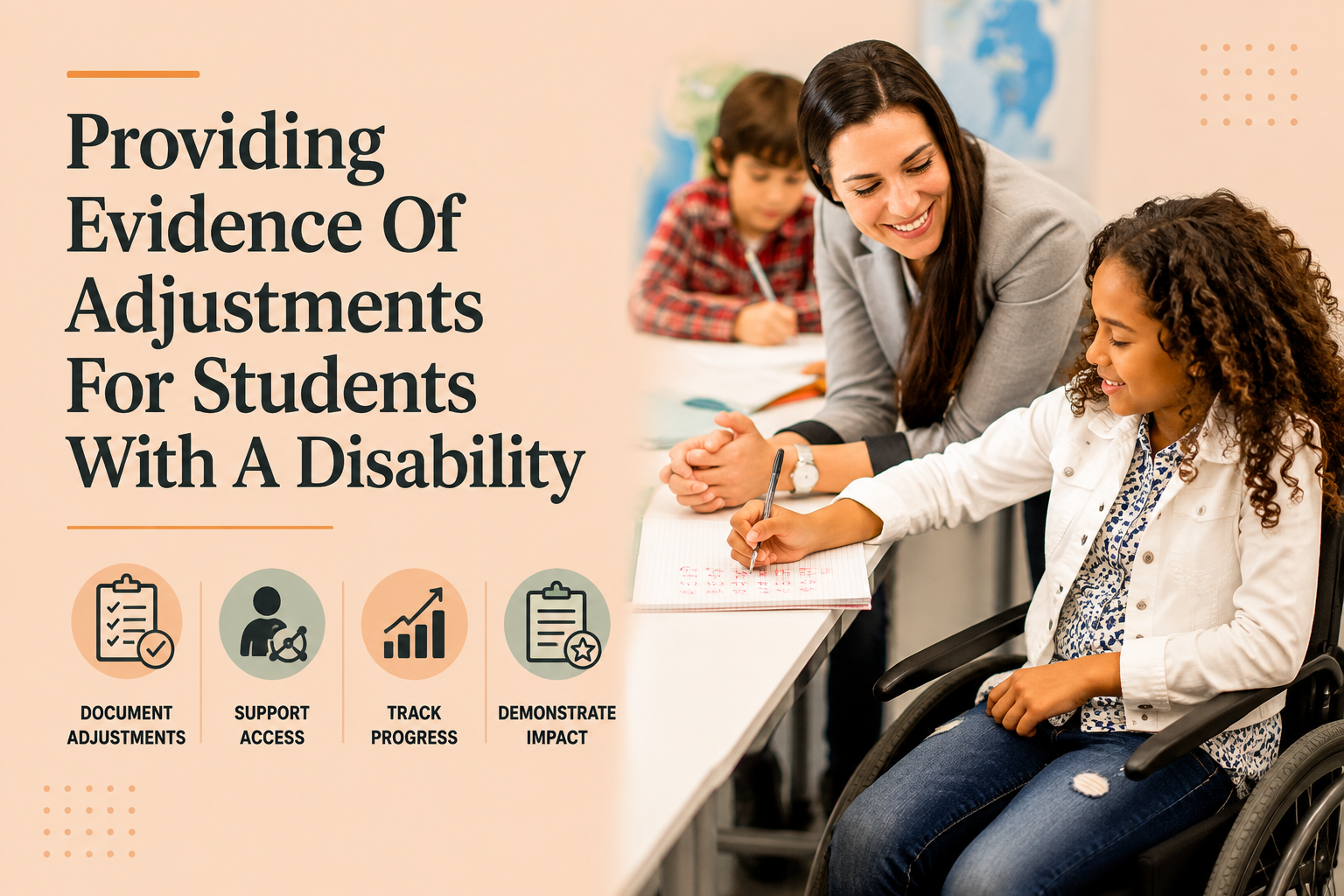
Providing evidence of adjustments for students with a disability
Providing evidence of adjustments for students with a disability
The 2005 Disability Standards for Education (Commonwealth of Australia, 2006), which was made to “provide a framework to ensure that students with disability are able to access and participate in education on the same basis as other[s]’ ” sets out clear expectations for Australian teachers about how learners with disability should be supported in schools.
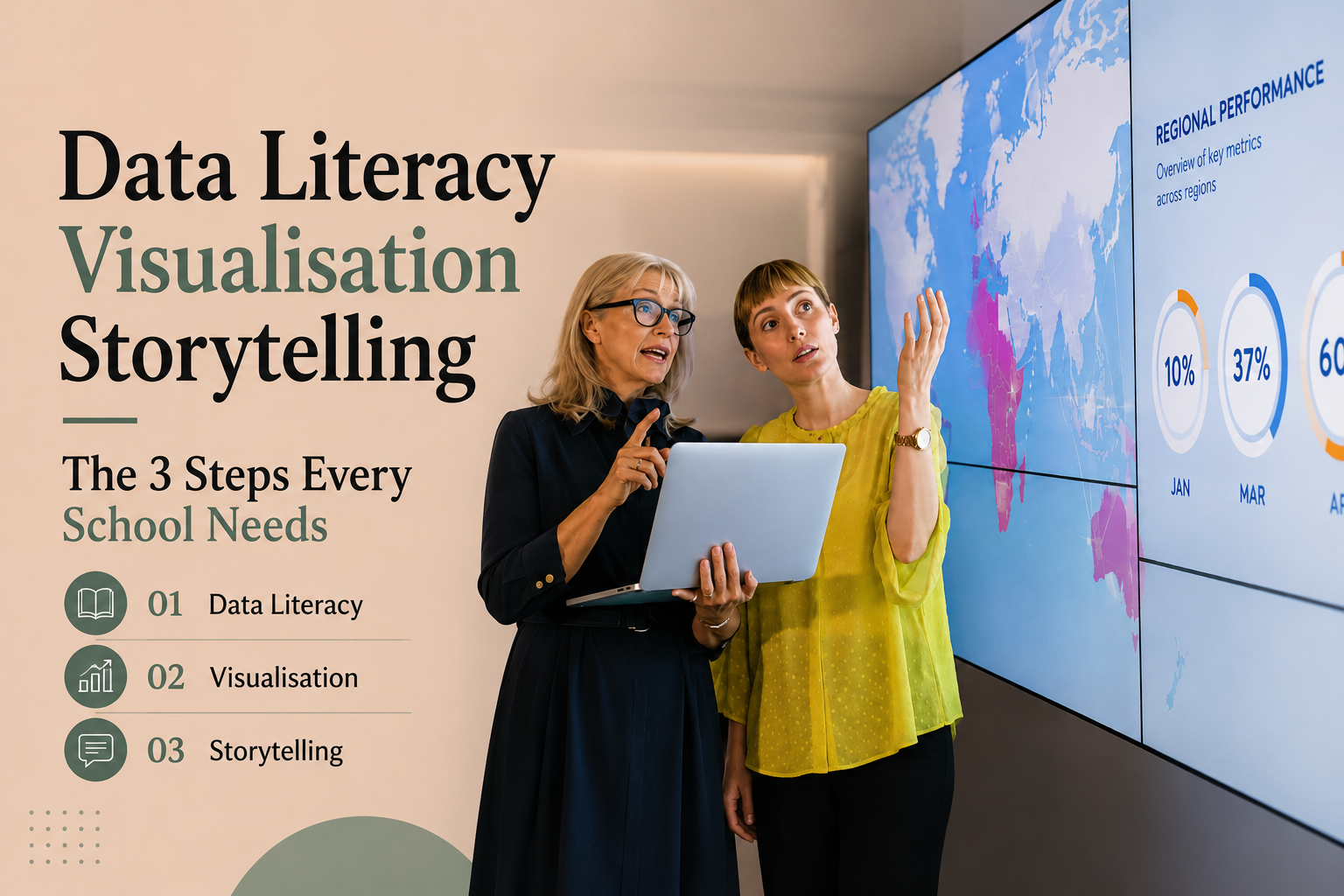
Visualisation platforms for student data
In Australian schools, platforms that visualise student data are sort of becoming a big thing. You know, gone are the days where teachers just typed everything into a learning management system at reporting time.

How to cut through 'data fatigue' and lead school improvement: expert
Dr Selena Fisk is a data storyteller. She believes every educator should embrace the same role. Recognising that many teachers and school leaders struggle to interpret the data they collect and apply it effectively to teaching and decision-making,
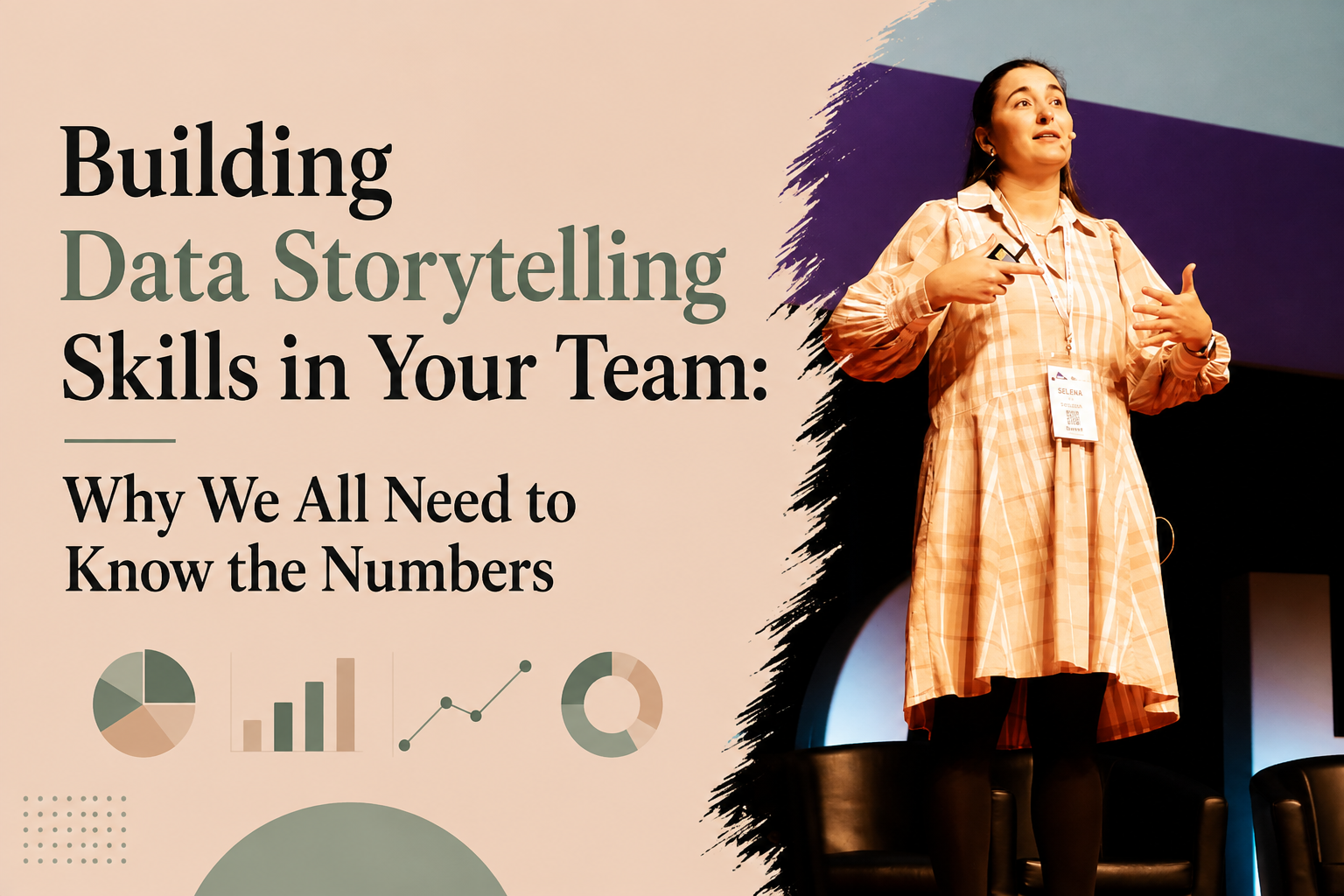
Building data storytelling skills in your team: why we all need to know the numbers
A resource for leaders who want to build employee capacity in data storytelling, so they harness the power of data to inform decision-making.
Overcoming data challenges in the workplace
Making sense of data is not as simple as we might want it to be. Many organisations have a desire to use data well, to make better decisions, and to become more informed but they don’t always know how to do that in practice.
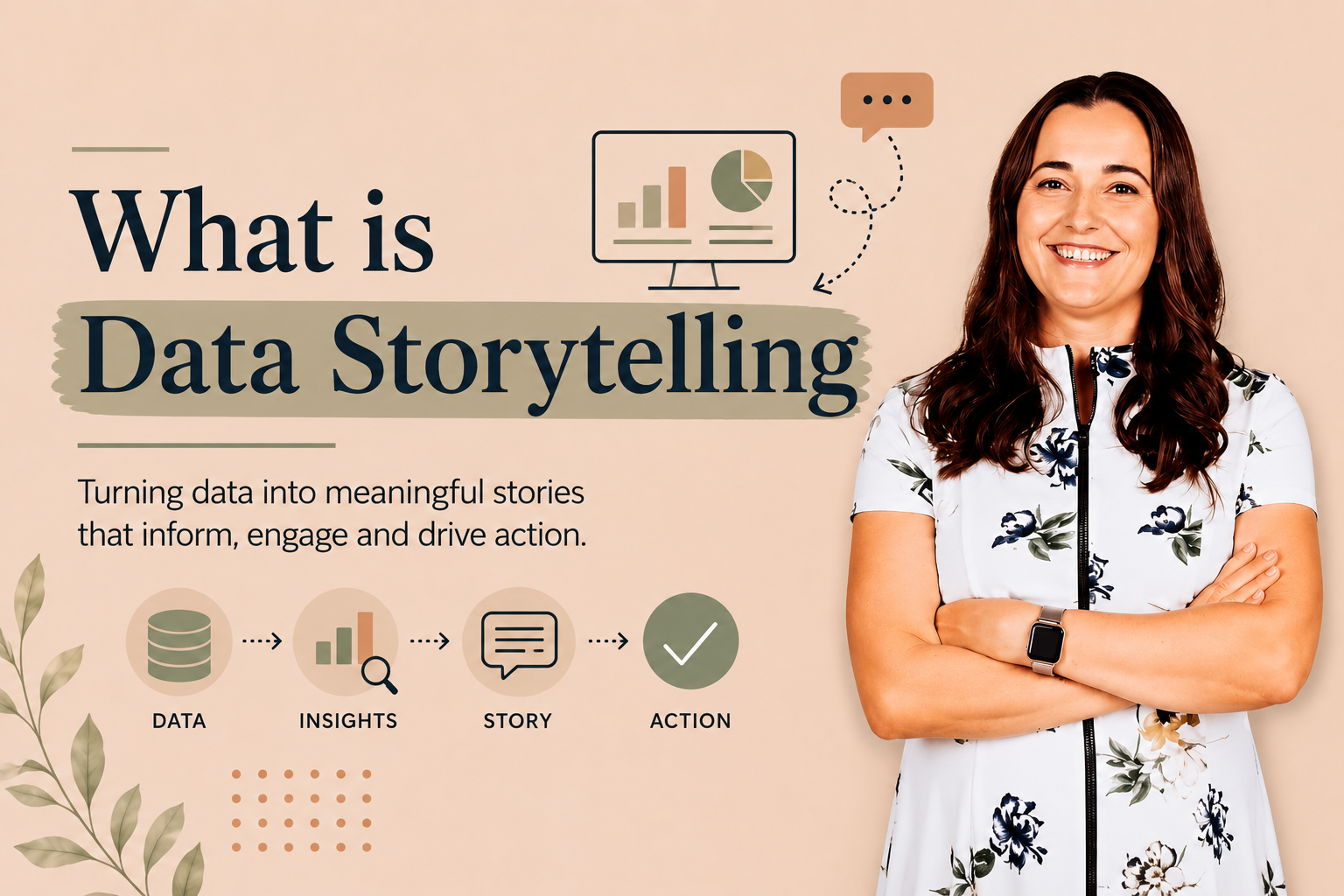
What is 'data storytelling'?
"With data storytelling" is a phrase that is often used in discussions related to data. It is no longer limited to data scientists, analysts, or technical teams. It is becoming a skill that a diverse group of employees is expected to engage with in some way.